Why Proactive IT Support Determines Organizational Resilience
Technology disruptions can cost businesses thousands—or even millions—of dollars per hour. In this context, IT Support becomes a strategic function that safeguards both operational continuity and reputation. Rather than reacting to technical issues, modern IT support anticipates risks and prevents them from escalating.
Organizations today face regulatory requirements, cybercrime threats, and complex hybrid infrastructures. Effective IT support integrates monitoring, compliance management, cybersecurity, and strategic planning to create a comprehensive safety net.
Cyber Threat Landscape and IT Defense Mechanisms
Digital threats continue to evolve in sophistication. Attackers use artificial intelligence, social engineering, and automation to infiltrate systems. IT support teams deploy layered security strategies to counter these risks.
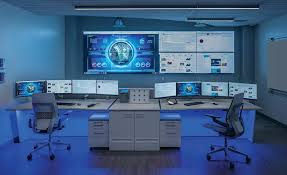
Security protocols include multi-factor authentication, encryption, vulnerability scanning, and real-time monitoring. Companies often rely on enterprise solutions from providers like Cisco Systems and IBM to strengthen infrastructure defenses.
Routine penetration testing ensures that weaknesses are identified before malicious actors can exploit them.
Supporting Remote and Hybrid Work Safely
The shift toward remote work has increased flexibility but expanded risk exposure. Employees connect from various devices and networks, making endpoint security essential.

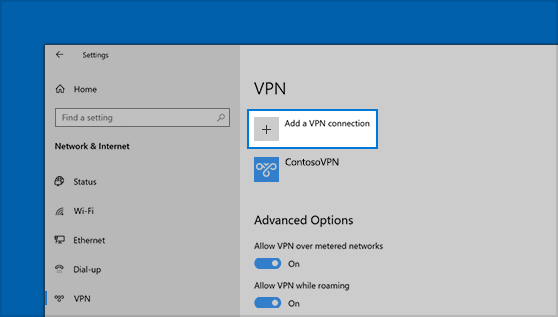
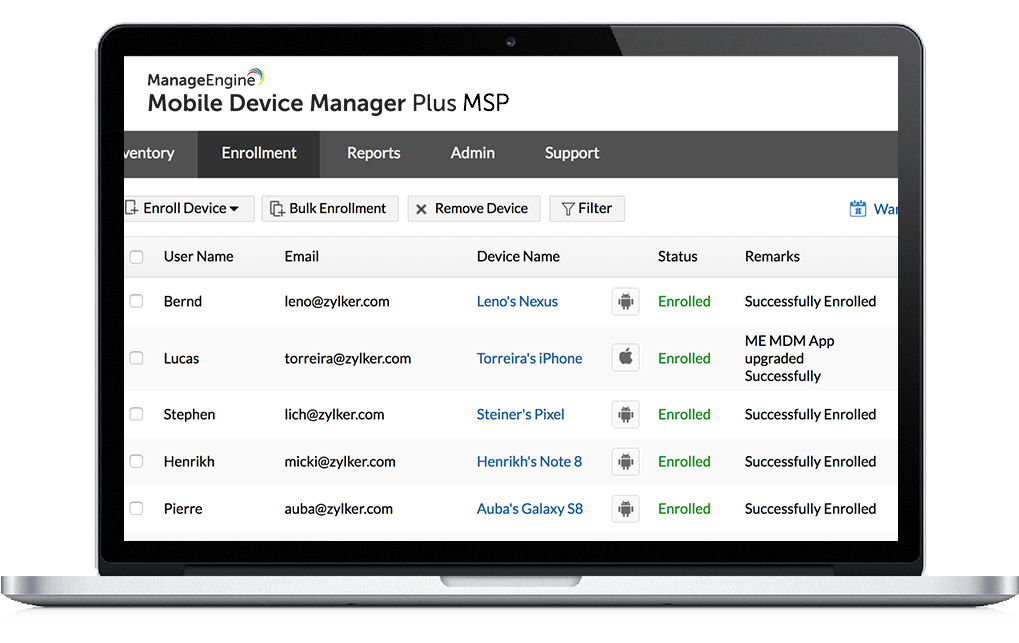
IT support teams implement VPN solutions, remote device management systems, and strict identity verification protocols. These measures protect data even outside traditional office environments.
By securing distributed networks, IT support enables productivity without compromising safety.
Compliance, Governance, and Reputation
Regulatory frameworks demand strict data protection standards. IT support teams manage audit trails, encryption standards, and documentation to ensure compliance. Failure to comply can result in fines and reputational harm.
Through structured governance, IT support builds transparency and accountability. When customers know their data is handled responsibly, trust strengthens.
Conclusion: IT Support as a Risk Management Engine
Modern IT support extends far beyond troubleshooting. It is a comprehensive risk management engine that integrates cybersecurity, compliance, and operational continuity. Organizations that prioritize IT support safeguard not only their systems but also their credibility and long-term success.